Nigeria, Algeria, Niger Sign MoU For $13bn Saharan Gas Pipeline

Algeria, Nigeria and Niger have signed a Memorandum of Understanding (MoU) to build a natural gas pipeline across the Sahara Desert, Algeria’s Energy Minister, Mohamed Arkab, announced yesterday.
In a related development, ExxonMobil and Chevron yesterday smashed profit records in Q2 as the surging energy prices that followed the war delivered a windfall for the oil supermajors.
The three countries had agreed in June to revive decades-old talks over the project, a potential opportunity for Europe to diversify its gas sources.
Arkab told reporters after the signing ceremony that the three countries would continue talks to achieve the project as quickly as possible.
The Trans-Saharan gas pipeline is an estimated $13 billion project that could send up to 30 billion cubic metres a year of supplies to Europe.
The pipeline is expected to span around 4,000 kilometres and has been slated to start in Warri, Nigeria, and to end in Hassi R’Mel, Algeria, where it would connect to existing pipelines that run to Europe.
The idea was first proposed more than 40 years ago and an agreement signed between the countries in 2009, but progress had stalled, a Reuters report stated.
Algeria exported 54 billion cubic meters of gas in 2021, mainly to Italy and Spain.
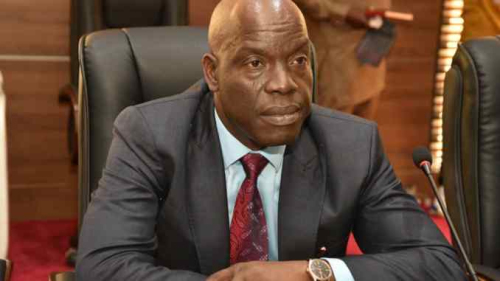
The MoU was signed in Algiers by the Algerian Minister of Energy and Mines, Arkab; Nigerian Minister of State for Petroleum Resources, Timipre Sylva, and Niger Minister of Energy and Renewables, Mahamane Mahamadou.
In 2009, an accord was signed by Nigeria, Niger, and Algeria to build the Trans Saharan gas pipeline project which was to be completed in 2015. But for various reasons, including growing security concerns, the project was stopped temporarily.
The proposed pipeline will source natural gas from Nigeria and traverse north through Niger, and further to Algeria.
The revival of the project is coming against the backdrop of pressure from the European Union (EU) on African countries to ramp up production, following the supply distortions caused by the Russia-Ukraine war.
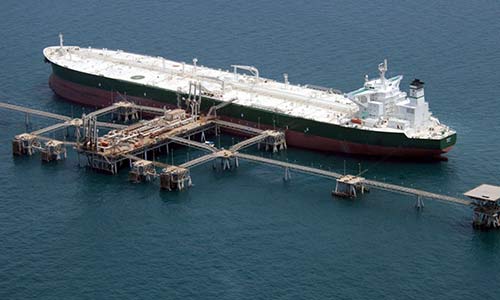
Meanwhile, as Nigeria continues to grapple with crude oil production and petrol subsidy challenges, ExxonMobil and Chevron yesterday smashed profit records in Q2 as the surging energy prices that followed the war delivered a windfall for the oil supermajors.
The huge earnings came as consumers reel from sky-high fuel costs that have helped drive inflation to levels not seen in decades across the US and Europe, Africa and other parts of the world, threatening a political backlash against energy companies.
Exxon’s second-quarter net profit was $17.8 billion, beating analysts’ estimates of $16.9 billion, according to data compiled by S&P Capital IQ. The previous record quarterly profit for the company was $15.9 billion in 2012, another year of elevated oil prices.
Chevron’s Q2 profit was $11.6 billion, also its highest quarterly profit and easily surpassing consensus estimates of $9.9 billion.
“Earnings and cash flow benefited from increased production, higher realisations and tight cost control,” said Exxon Chief Executive, Darren Woods.
The blockbuster profits came after UK-based Shell on Thursday reported its second consecutive record-breaking quarter with adjusted earnings of $11.5 billion. France’s TotalEnergies on the same day said profits in the quarter surged to $9.8 billion, almost triple the same time a year ago.
The five western oil supermajors — Exxon, Chevron, Shell, BP and TotalEnergies — are together on track to generate well over $50 billion in profits in the three months to the end of June.
Italian rival Eni yesterday also announced bumper quarterly results, boosting returns to investors after a fourfold year-on-year rise in adjusted net profit to €3.81 billion, the Financial Times reported.
Exxon and Chevron’s “downstream” oil refining businesses drove their soaring results after profit margins from selling refined fuels above the cost of buying crude oil exploded to record highs.